The Token Cost Trap
Enterprise “tokenmaxxing” is sending corporate AI bills north of $150,000 a month. But the harder questions for a central Indiana owner are quieter ones: who’s watching your team’s token consumption, and who can see what your people type into these tools?
Enterprise AI “Tokenmaxxing” Leads to Runaway Tech Bills
An Axios report highlights a growing crisis for corporate IT departments: unconstrained AI agents and software engineers running unsupervised background tasks are triggering massive, unexpected API bills. The phenomenon, dubbed “tokenmaxxing” in tech circles, has seen enterprise token bills balloon north of $150,000 a month, with some companies burning through their entire annual AI budgets in a matter of months.
The problem stems from the stateless nature of Large Language Models (LLMs) — every time an AI agent is asked to perform a task, it re-reads huge volumes of corporate data, causing hidden, compounding usage costs that break traditional ROI models when moved from small tests to full company deployment.
Caleb’s Filter
Tokenmaxxing is real — and it’s already showing up in conversations around town.
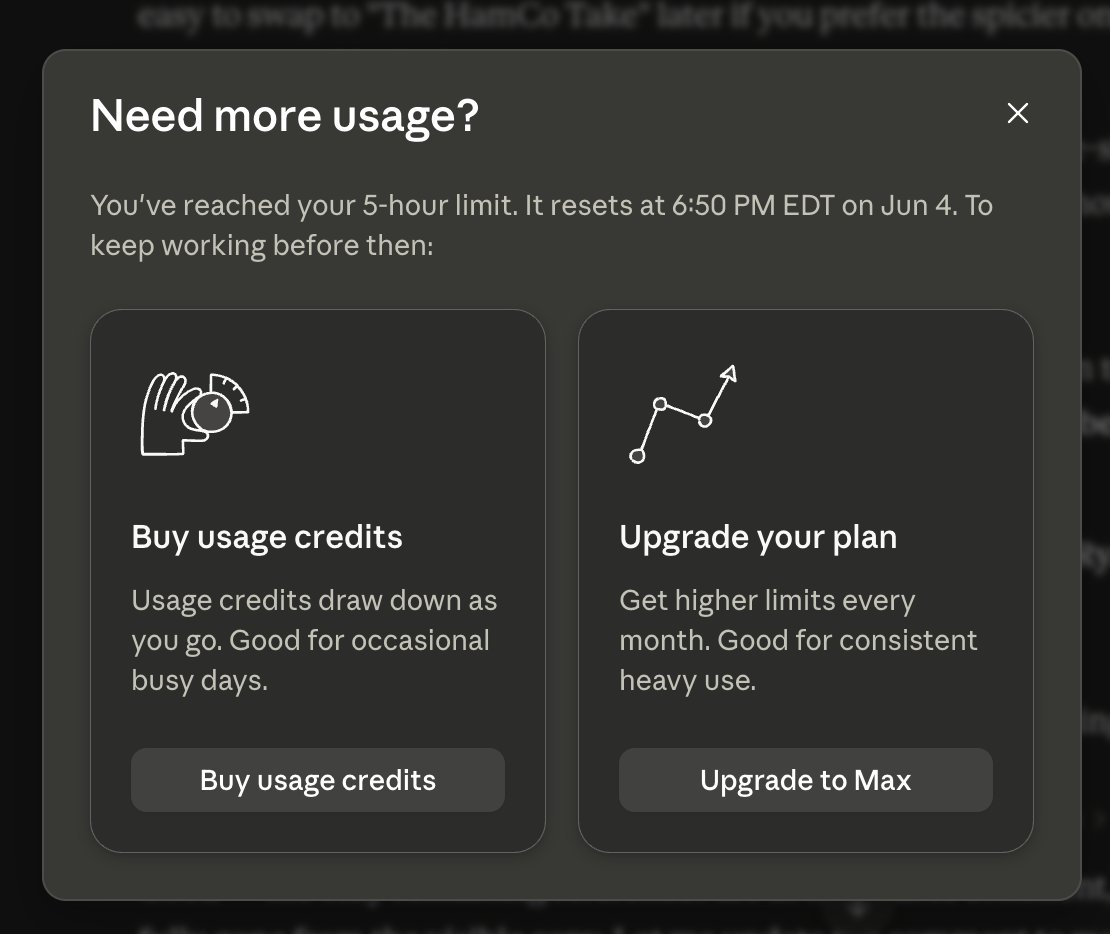
Here’s the issue, plainly. Most AI tools meter what you use. Every question your team types runs up a tab measured in “tokens,” and the bill scales with consumption — not with a flat monthly fee you can forget about. I heard it land this way over a weekend conversation: a local executive described getting a notification that he was sitting under his allotted budget, and feeling an odd pull to write throwaway prompts just to burn the credits. The part that stuck with me was his next question — who, exactly, is watching this, and how closely?
Why you should care. If you run a business in Hamilton County, this is no longer a big-tech problem — it’s a line item headed for your P&L, and a security question hiding behind it. Two things every owner should be able to answer: who is watching your team’s token consumption, and how closely? And what’s your policy on prompt history — the actual questions your people are typing into these tools, which may include client names, numbers, and case details?
If you’re old enough, think back to the pay-phone long-distance call: you stood there feeding quarters into the slot just to keep talking, watching the money disappear by the minute. Metered AI has the same shape. The risk isn’t just a surprise invoice — it’s business interruption when a vendor cuts you off mid-month, and the exposure that comes with whatever data your team has been feeding the model. The good news: a small business can get ahead of all of it with a few simple guardrails. That’s where Ryan picks it up.

Ryan’s Practical Action Plan
The cost and security questions are two sides of the same coin. in order to effectively address those questions it comes down to knowing who is using these tools, for what purpose and under what limits. To address both business owners should put three guradrails in place now:
- ✓
Cap spend and make consumption visible. Put hard, monthly dollar limits on any AI tools or APIs at the account level and ensure someone is accountable for reviewing and understanding the usage dashboards. The problem with the usage outlined in the story wasn’t the budget, it was that no one was accountable for monitoring usage.
- ✓
Write an access policy for prompt history. AI tools and usage should be covered by an acceptable use policy similar to those governing data, email and social media.In the case of AI it is important to articulate what data is never allowed to be entered into a public use AI tool, how long prompt history should be retained, and who has access to prompt history. Treat prompt logs like any other sensitive digital record.
- ✓
Know your data and metadata exposure. Understand what each AI tool stores, where that data resides, and whether your inputs train their models. Before scaling a tool across the team or business, understand LLM consumption, data and metadata risk the same way you would vet any vendor accessing your sensitive business data.
Want this read for your business?
We translate the week’s AI headlines into a plan you can actually run — extraordinarily local to central Indiana.
Play a round with us →